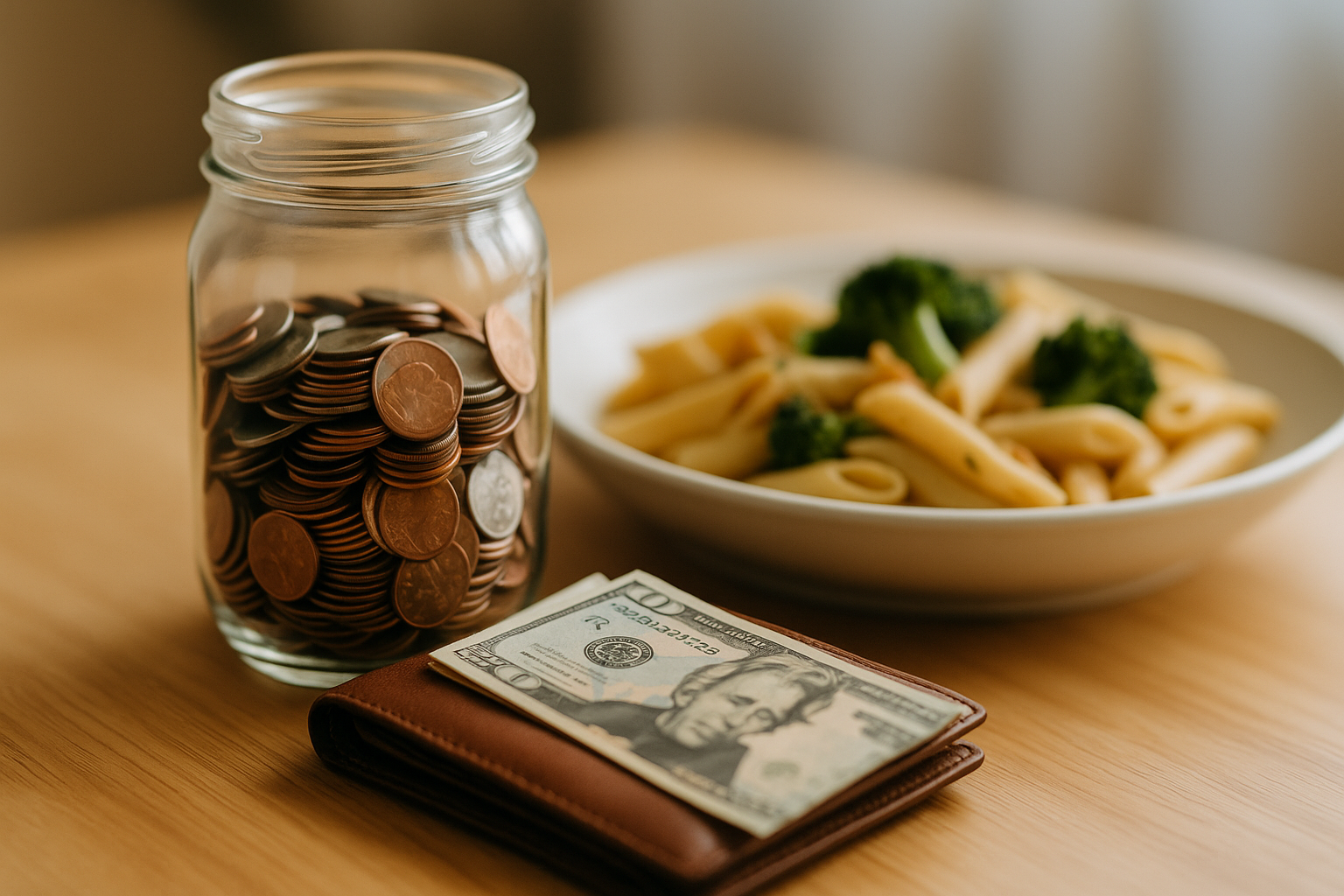
Your morning coffee costs $5. Your streaming subscriptions total $60 a month. That gym membership you barely use? Another $50. Add it all up, and you’re spending hundreds of dollars monthly on things that feel essential to your daily routine. The conventional wisdom says you need to cut these expenses and embrace a life of sacrifice. But here’s what financial experts rarely tell you: the biggest savings opportunities don’t require eliminating the things you love.
The difference between people who successfully save money and those who struggle isn’t about deprivation. It’s about finding smarter ways to maintain the same lifestyle while keeping more money in your bank account. These budget-friendly hacks work precisely because they don’t demand dramatic lifestyle changes that become impossible to sustain after a few weeks.
The Psychology Behind Sustainable Saving
Most budgeting advice fails because it fundamentally misunderstands human behavior. When you force yourself to give up daily pleasures, you create what behavioral economists call “deprivation backlash.” You might last two weeks before the resentment builds and you splurge harder than before, erasing any progress you made.
The key is identifying expenses where you can maintain the same enjoyment while spending significantly less. According to financial experts on sustainable saving strategies, the most effective approach focuses on optimization rather than elimination. You’re not giving up your coffee habit – you’re finding a way to enjoy the same quality coffee for half the price.
This mindset shift changes everything. Instead of viewing budgeting as punishment, you start seeing it as a challenge to maintain your lifestyle more efficiently. You still get the experiences, conveniences, and small luxuries that make life enjoyable. You just stop paying premium prices for them unnecessarily.
Automate Your Savings Before You See the Money
The single most powerful saving hack requires zero willpower: automatic transfers that happen before you can spend the money. When your paycheck hits your checking account, a predetermined amount immediately moves to savings. You never see it, so you never miss it.
Start small if you’re skeptical. Set up an automatic transfer of just $50 per paycheck. Within a month, you’ll likely forget it’s happening. Your spending adjusts naturally to the slightly lower amount in your checking account, without requiring any conscious sacrifice. This approach aligns perfectly with life-changing habits that require minimal effort but deliver maximum results.
The beauty of automation is that it removes decision fatigue from the equation. You’re not testing your willpower every time money sits in your account. The decision gets made once, and the system executes it consistently. After six months, you’ll have saved over $600 without consciously changing a single spending habit.
Master the Art of Strategic Timing
When you buy matters as much as what you buy. Retailers follow predictable pricing cycles throughout the year, and understanding these patterns lets you purchase the same items for 40-70% less without waiting years or compromising on quality.
Electronics drop in price dramatically right before new models launch. Fitness equipment goes on deep discount in January when retailers overstock for New Year’s resolution shoppers. Outdoor furniture hits rock-bottom prices in August. Winter coats cost half as much in February. These aren’t random sales – they’re systematic patterns you can exploit.
Create a simple spreadsheet tracking items you’ll need in the next 12 months. Research when each category traditionally goes on sale, then plan your purchases accordingly. This forward-thinking approach means you’re never paying full price out of desperation because you waited until the last minute. You maintain the exact same lifestyle, just with better timing that keeps significantly more money in your pocket.
The 72-Hour Rule for Impulse Purchases
Implement a personal policy: any non-essential purchase over $50 requires a 72-hour waiting period. Add the item to your cart, bookmark it, or write it down, but don’t complete the transaction immediately. Research from financial advisors on spending habits shows that this simple delay eliminates approximately 60% of impulse purchases.
The psychology here is brilliant. You’re not saying no to yourself. You’re just saying “not right now.” This removes the feeling of deprivation while giving your rational brain time to catch up with your emotional impulse. Often, the desire fades completely within those three days. When it doesn’t, you buy the item guilt-free, knowing it’s something you genuinely want rather than a momentary impulse.
Negotiate Your Fixed Expenses
Your biggest monthly expenses – rent, insurance, phone bills, internet – feel non-negotiable. They’re not. Companies build retention departments specifically to offer discounts when customers threaten to leave. Most people never ask, so they never receive.
Call your insurance provider annually and request a rate review. Mention that you’re shopping around. Suddenly, discounts you “qualified for” mysteriously appear. Contact your internet provider and reference competitor pricing. They’ll often match it to keep your business. These conversations take 15 minutes and can save $50-100 monthly without changing your service quality at all.
The script is simple: “I’ve been a loyal customer for [X years], but I’m reviewing my budget. I found [competitor] offering similar service for [lower price]. Can you match that rate to keep my business?” This approach works because retention costs companies less than acquiring new customers. They’d rather give you a discount than lose you entirely.
Bundle Strategically, Not Automatically
Companies love selling bundles because they often include services you don’t need at prices higher than competitors. But strategic bundling – choosing the right combination with the right provider – can generate real savings. The key is comparing the bundled price against buying each service separately from the cheapest provider.
Sometimes bundling your internet and phone saves money. Sometimes buying them separately from different providers costs less. Run the actual numbers rather than assuming bundles equal savings. Insurance bundling typically does save money, but only if you’re getting competitive rates on each component. Get quotes for auto and home insurance both bundled and separate, then choose whichever delivers the lower total cost.
Leverage Credit Card Rewards Without the Debt Trap
Credit cards get a bad reputation, but used strategically, they’re essentially free money. The critical rule: only charge what you’d spend anyway, and pay the full balance monthly. Break this rule, and interest charges obliterate any rewards you earn.
Choose cards matching your spending patterns. If you spend heavily on groceries, get a card offering 3-6% back on supermarkets. Gas-heavy commuters need cards rewarding fuel purchases. Frequent travelers benefit from cards offering points toward flights and hotels. The average household spending $3,000 monthly on a 2% cash-back card earns $720 annually for changing nothing except their payment method.
Take this strategy further by timing large, planned purchases with credit card sign-up bonuses. Many cards offer $200-500 bonuses for spending a certain amount within the first three months. If you’re already planning to buy a new appliance or book a vacation, opening the right card first transforms that planned expense into bonus rewards. Just remember: this only works if you’re making purchases you already budgeted for, not buying things just to hit bonus thresholds.
Optimize Subscription Services
The average American pays for 4-5 streaming services, multiple apps, and various subscriptions totaling over $200 monthly. Most people use maybe half of what they pay for. The fix isn’t canceling everything – it’s rotating and sharing strategically.
Instead of maintaining year-round subscriptions to every streaming platform, subscribe to one at a time. Binge everything you want on Netflix for two months, cancel it, then switch to HBO Max. This rotation strategy cuts your streaming costs by 60% while still giving you access to all the content eventually. You’re not missing out – you’re just watching in a more intentional sequence.
For subscriptions you truly use year-round, look for annual payment options offering discounts of 15-20%. Many software tools, apps, and services provide two months free when you commit to annual billing. If you’re confident you’ll use it all year anyway, this represents guaranteed savings. According to personal finance strategies that preserve lifestyle quality, optimizing subscription timing and payment structures can save households $500-800 annually.
Share Strategically with Trusted Friends or Family
Most streaming services allow multiple profiles and simultaneous streams. Split a premium family plan with trusted friends, and suddenly your $20 monthly Netflix cost becomes $5. Combine this with rotation – you maintain one service year-round while others in your circle maintain different ones – and you gain access to everything while each person pays for just one subscription.
The same principle applies to warehouse club memberships like Costco or Sam’s Club. Split the annual fee with family members who shop there occasionally. You all get the wholesale prices and membership benefits while dividing the cost four ways instead of bearing it alone.
Cook Smarter, Not Less
The typical advice is “stop eating out and cook at home.” But that assumes you’re not already cooking or oversimplifies the convenience factor that restaurants provide. The real hack is making home cooking as convenient as dining out through strategic preparation.
Dedicate two hours on Sunday to meal prep techniques that simplify weeknight cooking. Chop vegetables, marinate proteins, portion snacks, and prep ingredients for the week. Now weeknight cooking takes 15 minutes instead of an hour, removing the time excuse that drives expensive takeout orders.
Invest in quality storage containers and keep grab-and-go options ready. Homemade versions of convenience foods cost a fraction of restaurant prices. A batch of breakfast burritos costs $12 and provides six filling breakfasts. The coffee shop equivalent would cost $50. You’re eating the same food with the same convenience level, just spending 75% less.
Strategic Restaurant Timing
When you do eat out – because let’s be realistic, you will – timing and approach determine whether you’re overpaying. Many restaurants offer early bird specials, happy hour menus, or lunch pricing on identical dishes that cost more at dinner. The same burger costs $18 at dinner and $12 at lunch. Same ingredients, same chef, 33% savings.
Download apps like restaurant rewards programs that offer birthday freebies, points toward free meals, and exclusive discounts. These loyalty programs cost nothing to join and deliver free food just for eating at places you already frequent. You’re maintaining your exact dining habits while systematically reducing what you pay.
Buy Quality Once Instead of Cheap Repeatedly
Paradoxically, spending more upfront often costs less long-term. A $200 pair of quality boots lasts 10 years. Cheap $40 boots last one year, meaning you’ll spend $400 over that same decade for inferior products that never get comfortable.
This principle applies to everything from kitchen knives to office chairs to winter coats. Research which items in your life you use daily, then invest in quality versions that last. You maintain or improve your lifestyle quality while spending less over time because you’re not constantly replacing broken, worn-out cheap alternatives.
The strategy requires patience and planning. Instead of buying the cheap version today because it’s affordable right now, save for three months to buy the quality version. Yes, you wait longer initially. But then you’re done buying that item for years instead of replacing it repeatedly. Your total spending drops dramatically while your quality of life improves with better-performing products.
Making These Hacks Stick
Knowledge without implementation changes nothing. The difference between people who successfully save money and those who don’t comes down to maintaining consistency when initial motivation fades. Start with just two or three hacks from this list rather than overwhelming yourself by trying to implement everything simultaneously.
Set up the automatic savings transfer this week. That one action alone will generate results without requiring ongoing effort. Then add one more strategy next month, and another the month after. These incremental additions compound over time, creating substantial savings without the shock of dramatic lifestyle changes that prove unsustainable.
Track your progress visually. Create a simple spreadsheet showing how much these strategies save monthly. Watching that number grow provides motivation to continue and adds strategies. Within six months, you’ll likely be saving $300-500 monthly while maintaining the exact same lifestyle you enjoy now. That’s $3,600-6,000 annually staying in your pocket instead of disappearing into unnecessary expenses, achieved not through sacrifice but through smarter optimization of the life you’re already living.

Leave a Reply